Profile image
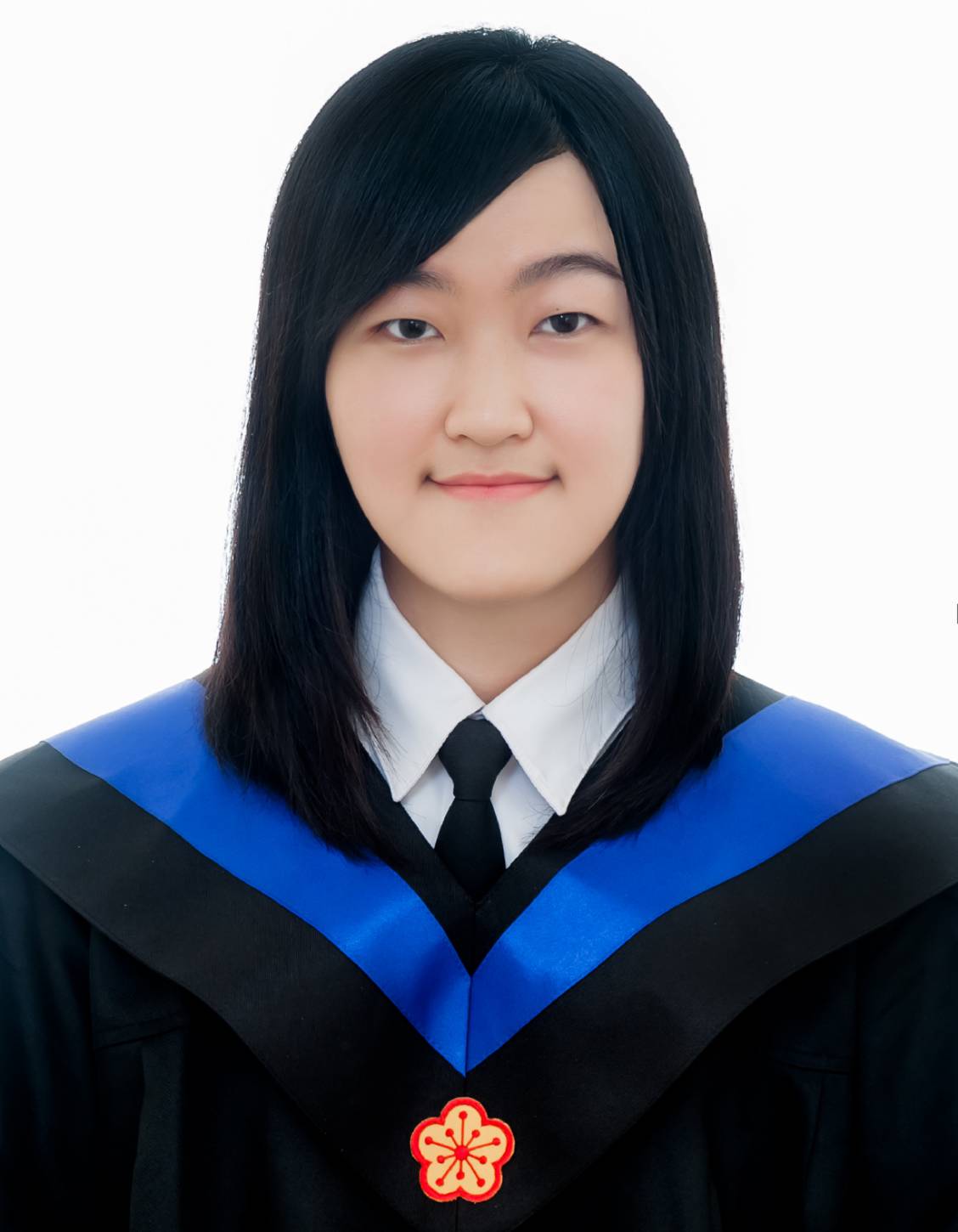
Pin-Ying Wu
Machine Learning Engineer
TSMC, San Jose, CA

About Me


I am a Machine Learning Engineer at TSMC, specializing in LLM and VLM solutions to enhance enterprise decision-making. My expertise spans Generative AI, Computer Vision, and Deep Learning. I independently developed a high-performing internal pricing decision chatbot leveraging RAG and Chain-of-Thought reasoning. Currently, I contribute to a large-scale multimodal agentic system, owning a module that consolidates diverse data sources to enhance decision reliability. I hold an M.S. in Electrical and Computer Engineering from the University of California, San Diego (UCSD), and a B.S. in Electrical Engineering from National Taiwan University (NTU). Beyond industry experience, I have conducted research in 3D Visual Question Answering with Prof. Nuno Vasconcelos at the Statistical Visual Computing Lab (UCSD), and in Audio-Visual Learning with Prof. Yu-Chiang Frank Wang at the Vision and Learning Lab (NTU).


Experience


Machine Learning Engineer

Apr. 2024 - Present

  • Developed a LLM-powered chatbot leveraging RAG and CoT techniques for internal pricing decisions, and independently delivered a prototype with 92.1% recall, significantly improving decision-making efficiency and accuracy.
  • Contributing to a large-scale organization-wide VLM agentic system, owning the multimodal refinement module that consolidates information from diverse data sources, resolves conflicts, and boosts decision reliability.
  • Collaborating with cross-functional stakeholders to shape project requirements, manage technical risks, and align VLM-based solutions with strategic business goals, leveraging strong technical expertise and clear communication.
  • Graduate Research Intern

    Apr. 2023 - Mar. 2024

    Advised by Prof. Nuno Vasconcelos

  • Designed and deployed a data pipeline to collect 100,000 question-answer pairs on safety-related reasoning in 3D scenes, combining GPT-based synthesis for simple cases with MTurk for complex, human-generated examples.
  • Computer Vision Undergraduate Researcher

    Sep. 2020 - Jun. 2022

    Advised by Prof. Yu-Chiang Frank Wang
  • Developed an Audio-Visual Transformers model to learn cross-modal contextual features for locating sounding sources in an image, and conducted thorough experimental studies with the MIT-MUSIC dataset.
  • Addressed the fully unsupervised challenge by designing a self-supervised training framework with separate CNNs for visual and audio modalities, incorporating STFT to extract sequential audio features.
  • Selected Projects


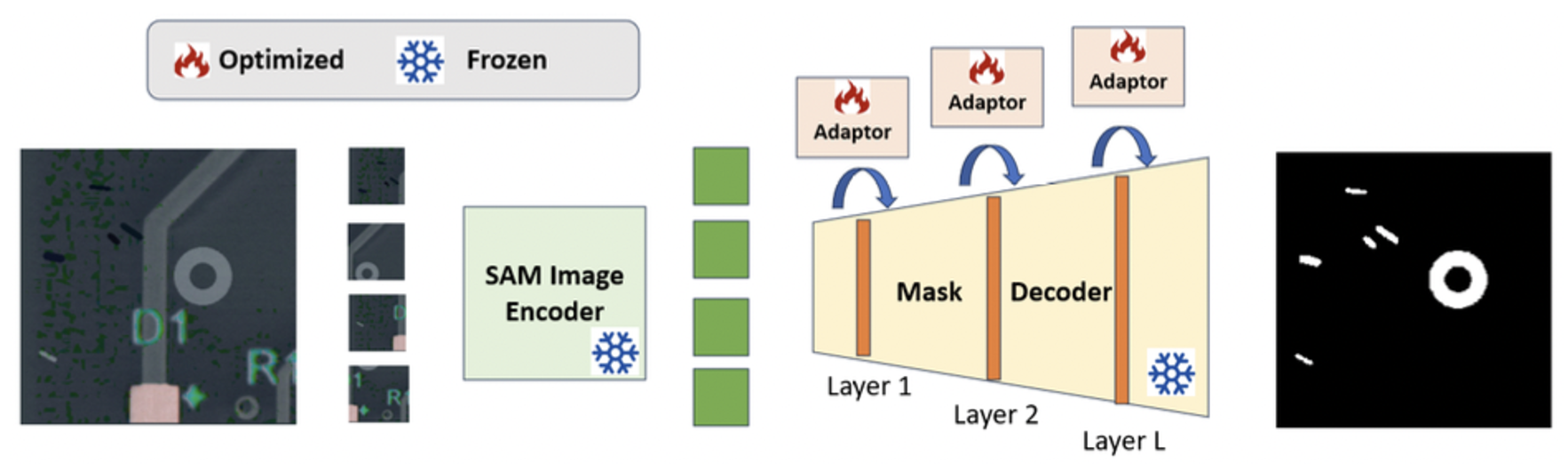
    Unsupervised PCB Anomaly Segmentation with Foundational Models Python
    Chih-Hui Ho, SungBal Seo, NaYeon Kim, Pin-Ying Wu, YouSuk Bae, Nuno Vasconcelos
    Electronic Imaging (EI), Intelligent Robotics and Industrial Applications using Computer Vision, Oral, 2024
    Unveiling the Efficacy of Foundation Models for Depth Estimation Python
    Pin-Ying Wu, Zih-Hao Fu, 2023

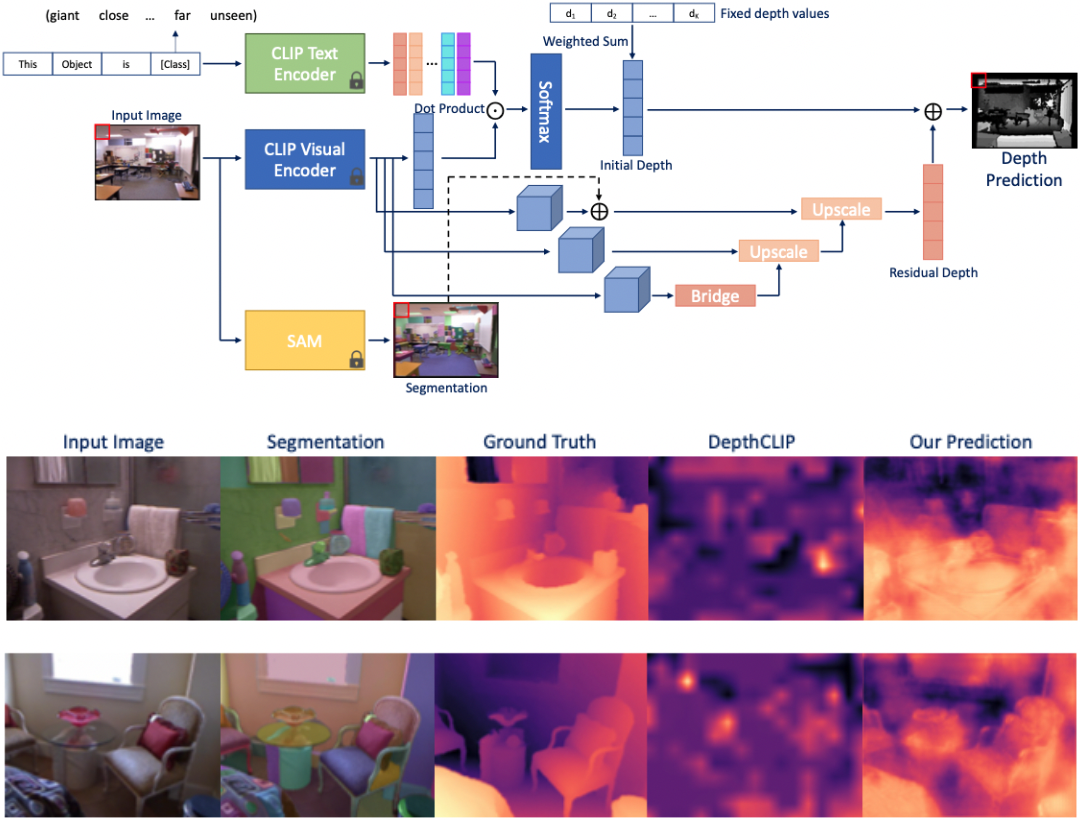
    • Explored the potential of large foundation models, including CLIP and Segment Anything, for depth estimation under self-supervised and supervised settings with the NYU-Depth v2 Dataset.
    • Leveraged CLIP's semantic language tokens for initial depth prediction and incorporated parameter-efficient finetuning (PEFT) to study whether these refinement modules can further improve the CLIP predictions.
    • [code][pdf]
    Shallow-PPGNet: A Simple yet Effective Network for Hypertension Detection Python
    Pin-Ying Wu, Ye Sel Lee, Yin Lei, 2023

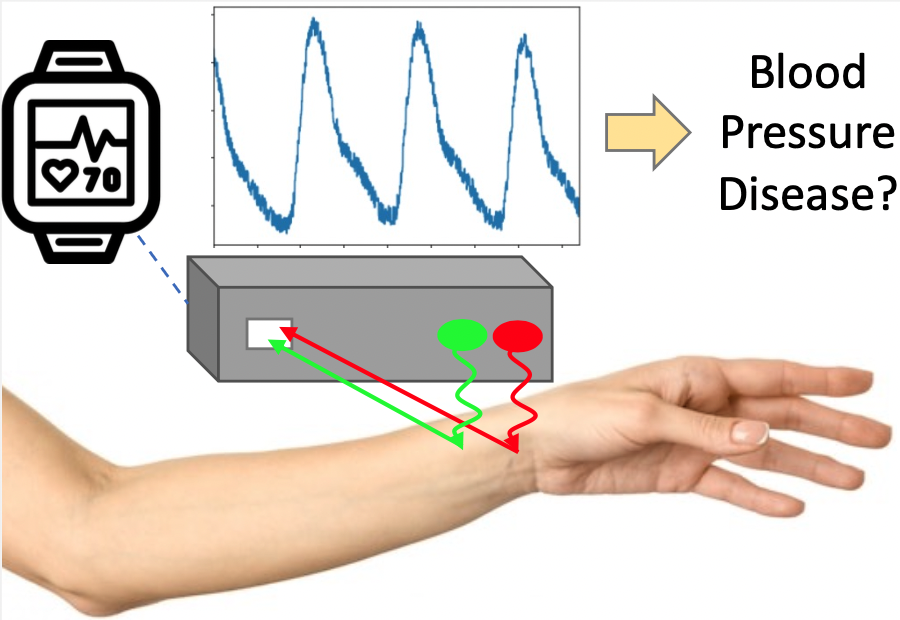
    • Proposed Shallow-PPGNet, a CNN for detecting hypertension with PPG signals, and achieved over 10% improvement on PPG-BP and MIMIC-II datasets than state-of-the-art approaches.
    • Enhanced the diabetes prediction by transferring the knowledge learned from the hypertension prediction and conducted comprehensive ablations on different prediction models and with various metrics.
    • [pdf]
    An Effective Approach for Arrhythmia Classification using ECG Signals Python
    Pin-Ying Wu, 2023

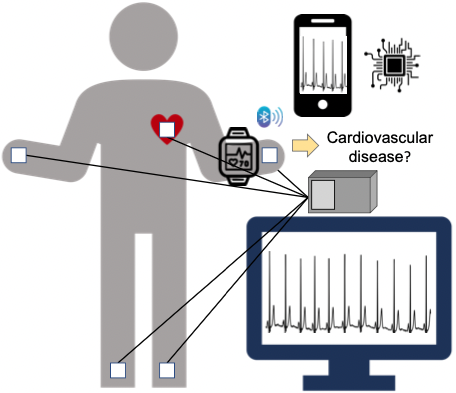
    • Developed Simple-ECGNet, a light CNN for detecting arrhythmia with ECG signals, and achieved over 10% improvement in sensitivity and precision on MIT-BIH dataset than state-of-the-art approaches.
    • Conducted comprehensive ablations on different prediction models and loss functions with various metrics.
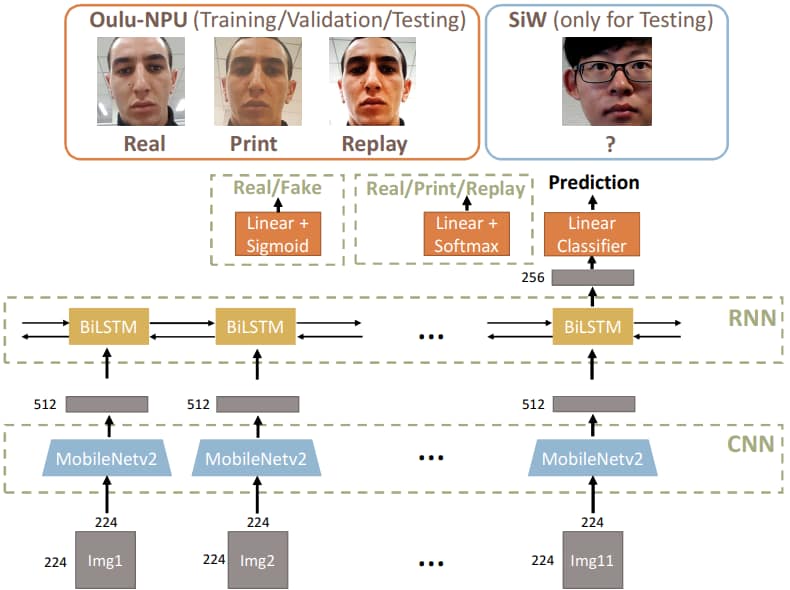
    Face Anti-Spoofing Python
    Pin-Ying Wu, Pei-Ying Lin, Zi-Ting Chou, Chun-Tin Wu, 2020

    • Utilized feature pretraining and sequential modeling techniques to address the face anti-spoofing challenge, resulting in an impressive recognition accuracy of 99.3% on the Oulu-NPU and SiW datasets.
    • Dedicated to brainstorming ideas for model development, encouraging group discussions, setting the project milestones and summarizing the outcomes as a project leader with 3 group members.
    • [code][pdf]
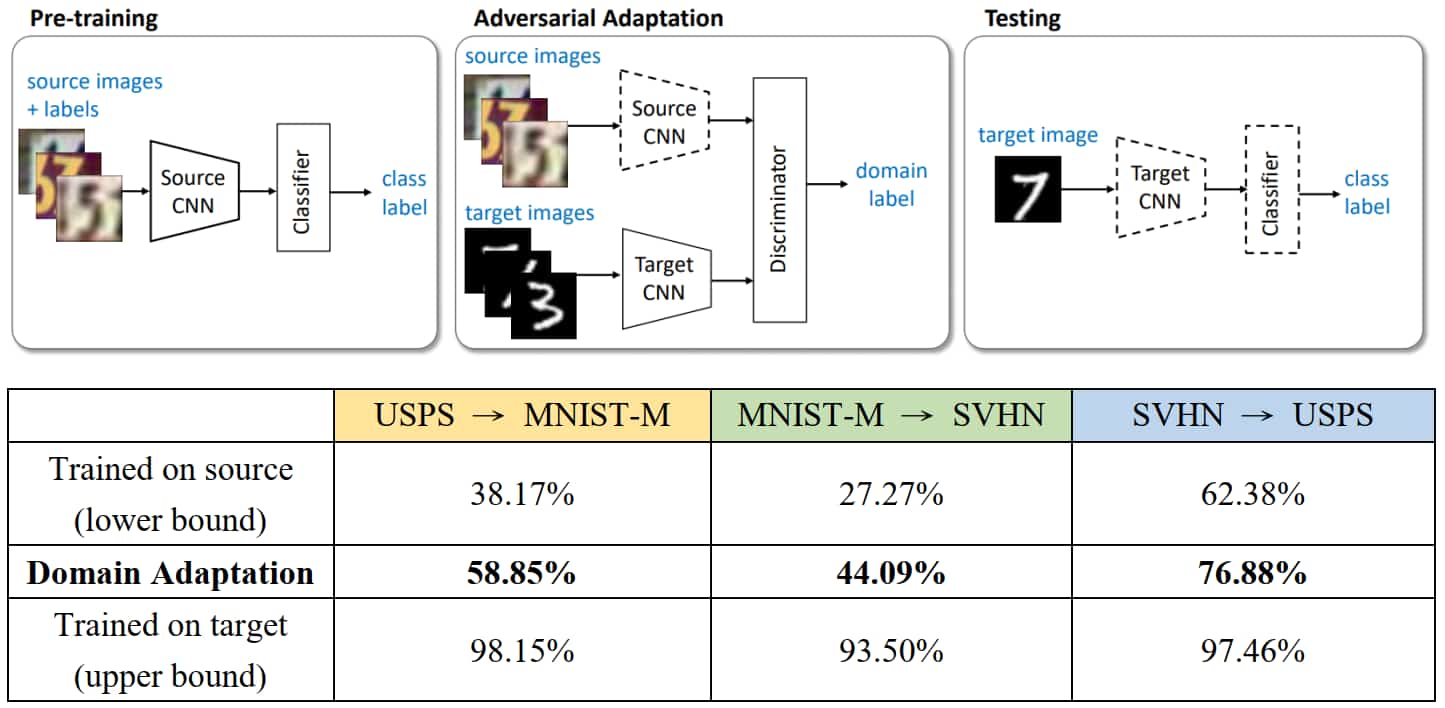
    Visual Domain Adaptation with Adversarial Training Python
    Pin-Ying Wu, 2020

    • Investigated the literature of visual domain adaptation and implemented two popular algorithms, DAAN and ADDA, that adopt adversarial training to align features in different domains.
    • Conducted several domain adaptation experiments with USPS, MNIST-M, and SVHN datasets.
    • [code]
    Face Generation with VAE and GAN Python
    Pin-Ying Wu, 2020

    • Explored and compared the classic generative models, including VAE and GAN.
    • Analyzed the effect of different loss functions and studied the influence of hyper-parameter choices.
    • [code]
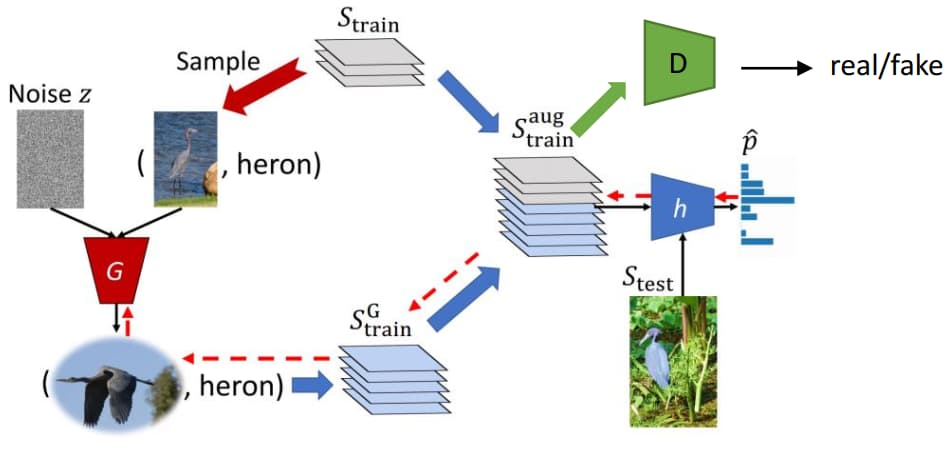
    Few-shot Image Classification Python
    Pin-Ying Wu, 2020

    • Implemented Prototypical Network and hallucinated data to classify image with limited training data.
    • Studied different distance metrics and their performance under different settings (i.e. different ways/shots).
    • [code]
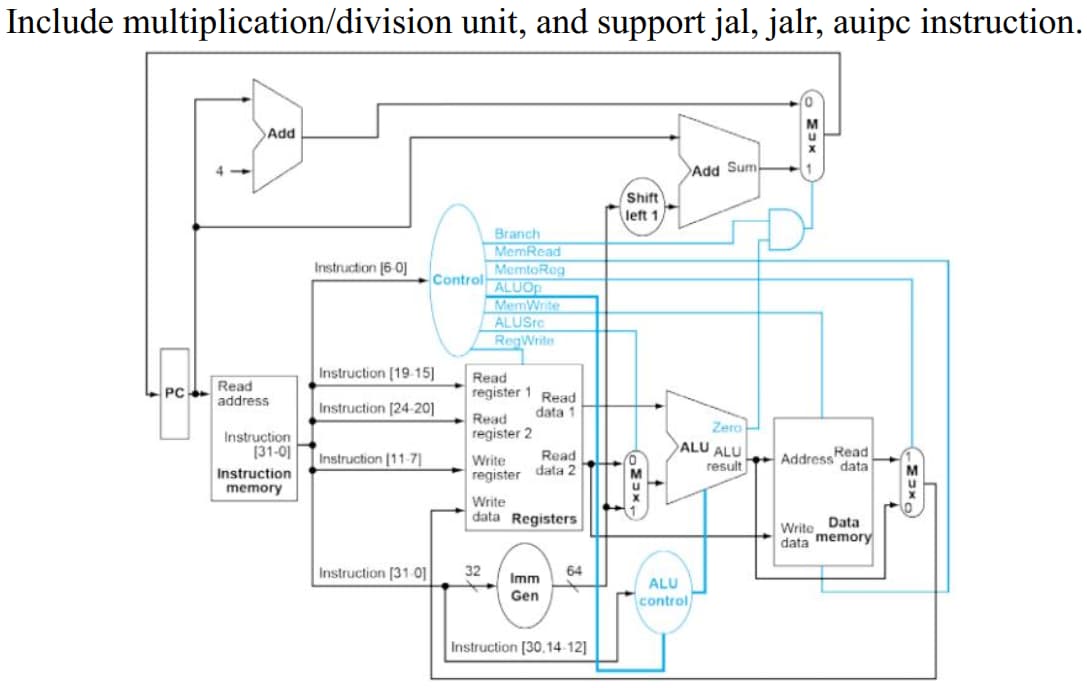
    Single-Cycle CPU Implementation Verilog
    Pin-Ying Wu, Si-Ying Chen, 2021

    • A course project collaborating with a teammate in Computer Architecture class using Verilog.
    • Implemented the architecture and functions of single-cycle CPU, supporting RISC-V instructions.
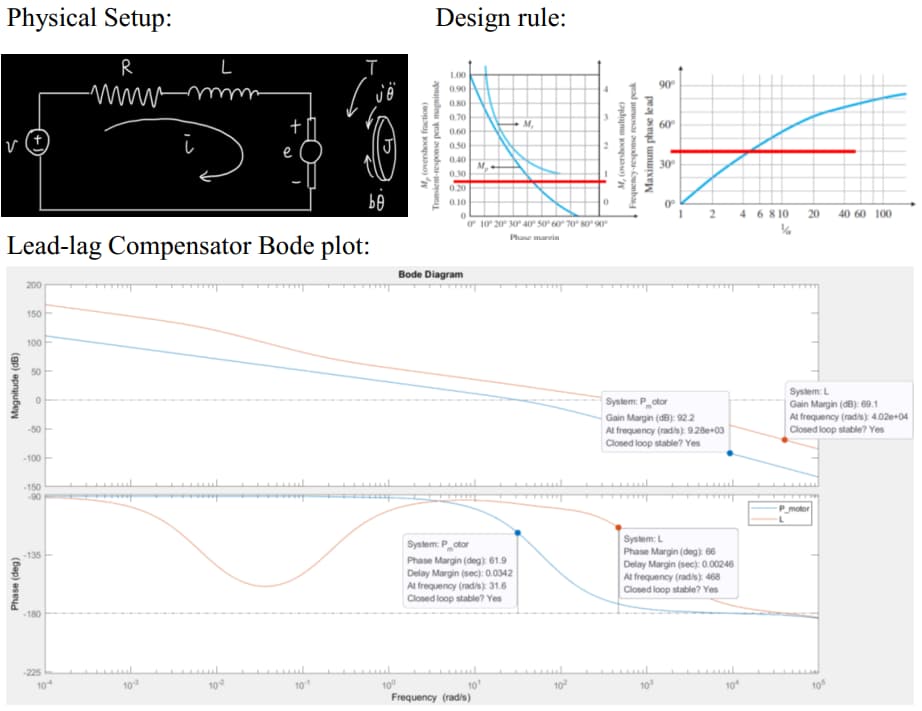
    Controlling DC Motor Position with PID control, lead-lag compensator MATLAB
    Pin-Ying Wu, Hsin-Tzu Sung, 2021

    • A Matlab project collaborating with a teammate in Control System class.
    • Leveraged PID control, lead compensator and lead-lag compensator to implement the desired system and analyzed the property of the system with root locus and Bode plot.
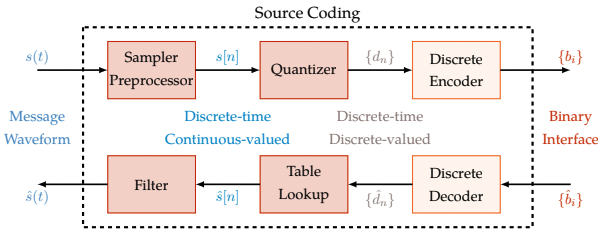
    Source Coding: Turning Signals into Bits MATLAB
    Pin-Ying Wu, 2021

    • Implemented the Huffman tree and the corresponding encoder and decoder, and applied it to convert the resampled and quantized audio waveforms.
    • Analyzed the transmitted and received signals with different noise levels in the communication channel.

    Education


    M.S. in Electrical and Computer Engineering, University of Californnia San Diego, USA
    Sep. 2022 - Mar. 2024
    B.S. in Electrical Engineering, National Taiwan University, Taiwan
    Sep. 2018 - Jun. 2022